There’s no shortage of bold claims in leadership development. What still carries weight especially for HR and senior leaders is long-term trust.
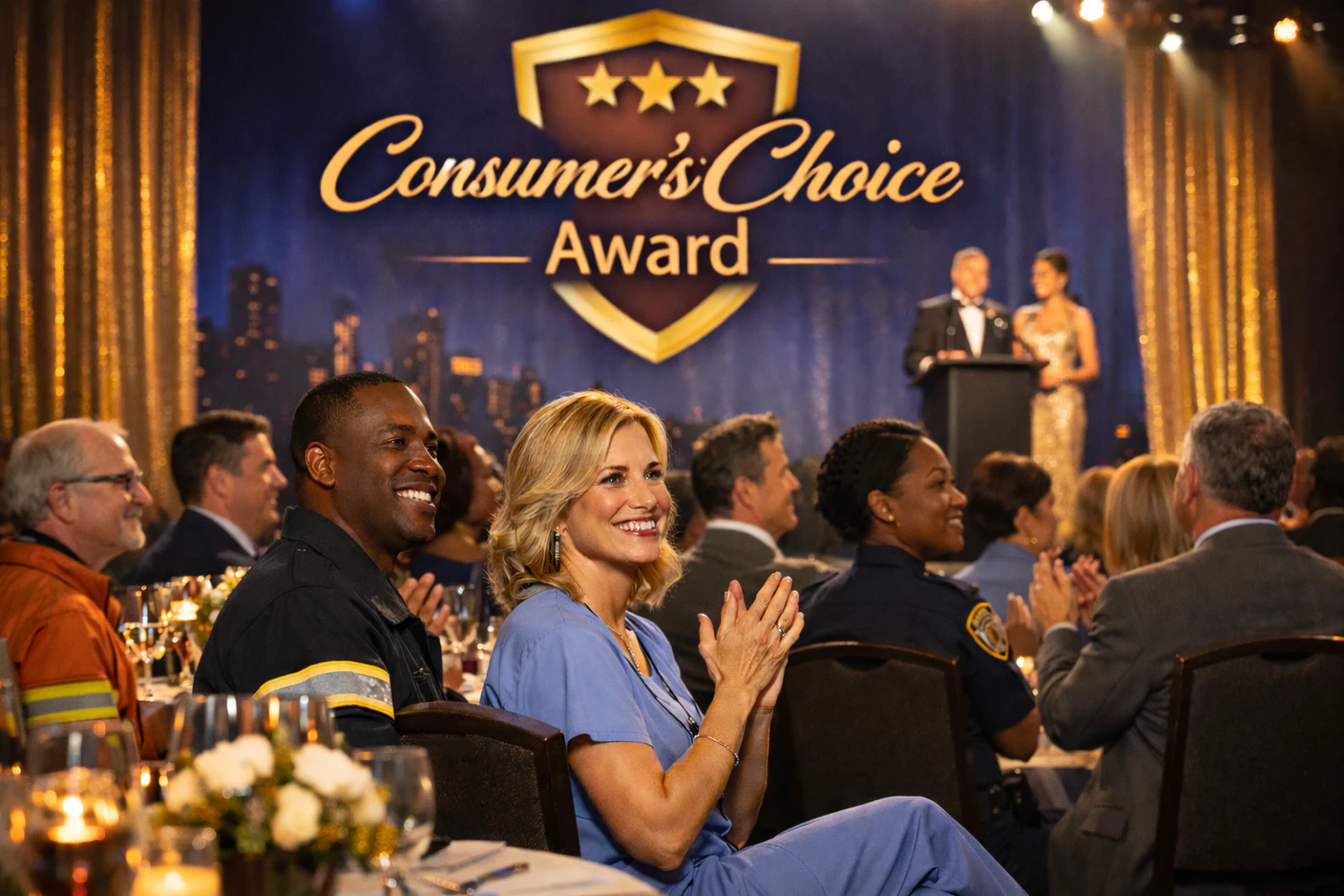
That’s why we’re genuinely grateful to share that The Workplace Coach has been named a 2026 Consumer Choice Award recipient, marking our third time receiving this recognition (2011, 2012, and now 2026).
What this award means (in plain English)
The Consumer Choice Award is based on independent research and client feedback, with one organization selected per category and region each year. It’s not something you can buy or campaign for which makes it a meaningful signal that the work is landing where it matters.
Why this matters to HR and senior leaders
Coaching isn’t about clocking sessions. It’s about outcomes:
- Leaders who communicate more clearly
- Teams that trust each other a little more
- Higher engagement and accountability
- Performance that’s sustainable (not fueled by burnout and crossed fingers)
That’s been our focus from the start: practical leadership behavior change, grounded in psychology, and built for real organizational pressures not theory slides.
Consistency over hype
One good year can happen. Being recognized across decades points to something steadier: an approach that holds up over time. Not flashy. Not trendy. Just reliable.
As I shared in the announcement, this recognition matters because it reflects client voices and long-term trust. We’re proud of that and we’re mindful of the responsibility that comes with it.
Planning leadership development initiatives for 2026?
A useful question to ask any partner is:
“Can they show trust over time, or just a good pitch right now?”
Awards help. Results matter more.