How can you equip leaders-in-waiting with the skills needed to thrive in a more complex role? What’s the next best move when there’s a mismatch between leadership potential and actual readiness? Continue reading below to learn how coaching can transform high-potential employees into ready-now leaders.
From Competent to Leader-Ready
Consider Tanya, a mid-level manager in a growing tech firm. She’s highly capable; people turn to her when they want important work done right. They know she’ll take care of all the details while hitting the key deliverables. She makes sure this happens by keeping her team on a short leash frequently checking in on progress, calling ad hoc meetings, requesting reports with extra information just in case.
But with her eye on the day-to-day details, she’s missing the big picture. And frankly, she’s driving her team crazy. At the very least, they’ve learned not to make a move without Tanya’s approval, which really slows down productivity.
Who’s going to tell Tanya that her struggle to delegate is risking her professional growth? Her organization’s ability to succeed? While her manager may be able to provide this feedback, they’re not likely to have the time or a plan in place to guide her successfully toward change.
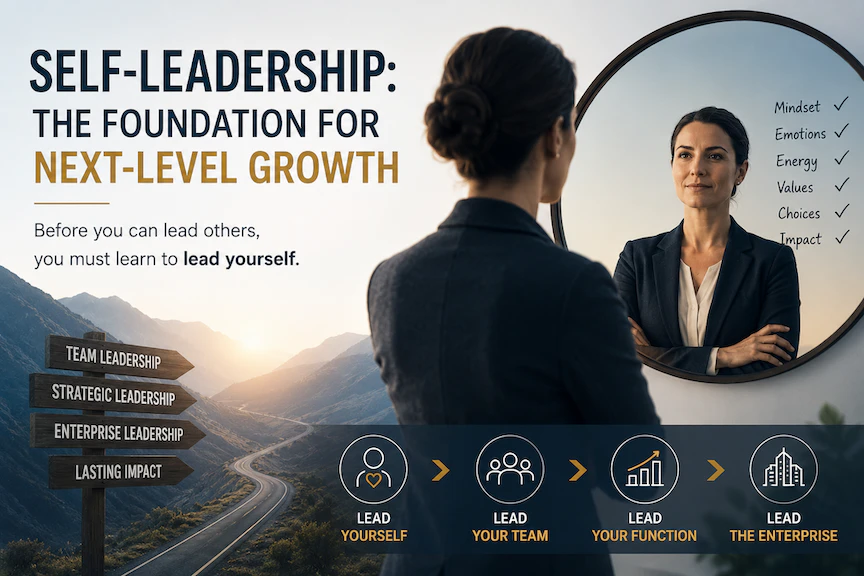
That’s where executive coaching can benefit emerging leaders like Tanya. Our proven approach has been shown to accelerate leadership readiness in these key areas and more:
• Increased Self-Awareness: Discover how micromanagement tendencies limit team performance and the steps needed to change.
• Improved Delegation & Strategic Thinking: Support a mindset shift from task execution to team empowerment and strategic oversight, improving team morale in the process.
• Enhanced Influence: Develop stronger cross-functional communication, increasing visibility and impact across the organization.
According to the likes of Harvard Business Review, the Center for Creative Leadership, and BetterUp, coaching builds the core leadership skills of emotional intelligence, resilience and communication that Tanya and others like her need to step into a broader leadership role with confidence and impact.
Success in the Long Term
Executive coaching gives your organization a road map to gain new insights, identify realistic strategies and solutions, and develop practical action plans to drive change and positive transformation.
When coaching is embedded into a broader succession planning strategy, it helps organizations shift from reactive hiring to proactive development, closing critical capability gaps before they become roadblocks.
For long-term success, coaching and succession planning go hand in hand. Investing in coaching now means your next generation of leaders won’t just be on the list they’ll be truly ready to lead.
At The Workplace Coach, we specialize in preparing high-potential leaders for next-level roles through coaching engagements that align with your succession goals. Let’s start a conversation about building your leadership bench strength today.